
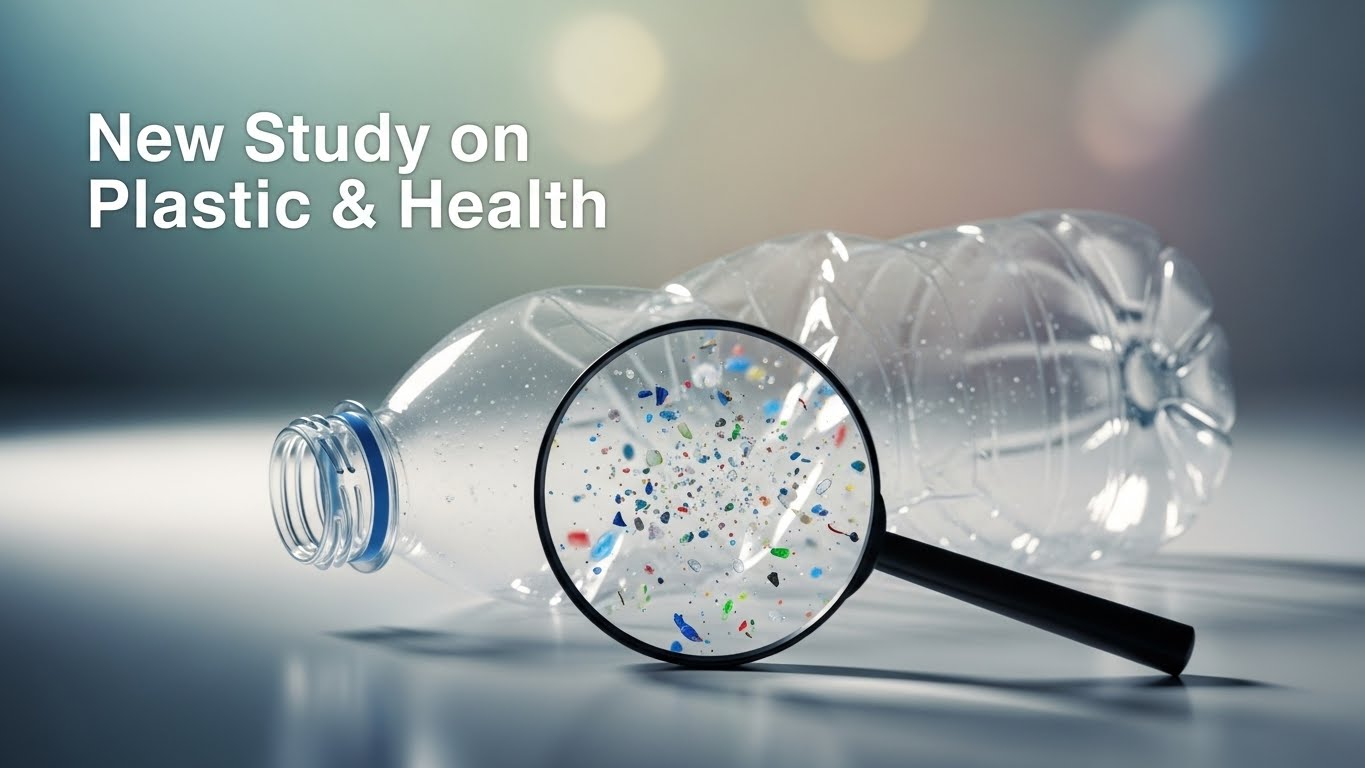
New Research Warns About Microplastics and Pancreas Health
A new scientific study has found that microplastics released from everyday items may directly harm the pancreas. These findings raise fresh concerns about how common plastic materials can affect human health over time.
Microplastics and Health Concerns
Earlier studies have already linked microplastics to several health problems. These include hormone imbalance, diabetes, stroke, and different types of cancer. However, in most past research, scientists were not able to clearly prove a direct connection between microplastics and specific organs.
Latest Findings on Plastic Bottles
The latest research has now confirmed that polyethylene terephthalate (PET)—a key material used in plastic bottles—can have toxic effects on the pancreas. This discovery provides stronger evidence than before and helps explain how plastic particles may harm the body at a deeper level.
What the Researchers Studied
Scientists from Poland and Spain carried out this study using pancreatic cells taken from pigs. They observed that PET microplastics caused harmful effects on these cells. The results suggest that such damage could increase the risk of conditions like diabetes and obesity.
To better understand the impact, researchers exposed pancreatic cells to different amounts of PET microplastics. They closely examined fat buildup inside the cells and signs of toxic stress at the cellular level.
Concerning Results
The findings were worrying. Scientists noticed that PET microplastics increased cell death inside the pancreas and disturbed its normal function. These tiny plastic particles were also found to affect important proteins that are necessary for the pancreas to work properly.
Why This Research Matters
The pancreas plays a key role in controlling blood sugar and digestion. Damage to this organ can lead to serious long-term health problems. This study highlights the need for more awareness about plastic use and further research into how microplastics affect the human body.
Disclaimer
This article is for information purposes only and is based on scientific research. It does not replace professional medical advice. For health concerns, always consult a qualified healthcare professional.